How to Unblock a Drain Without Chemicals
September 14, 2026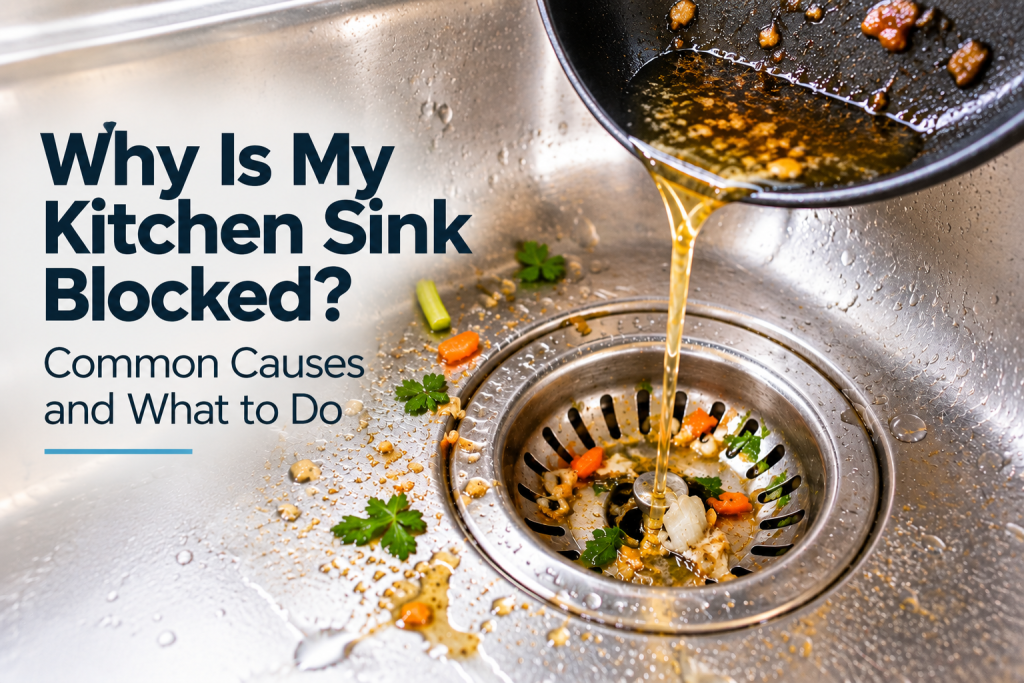
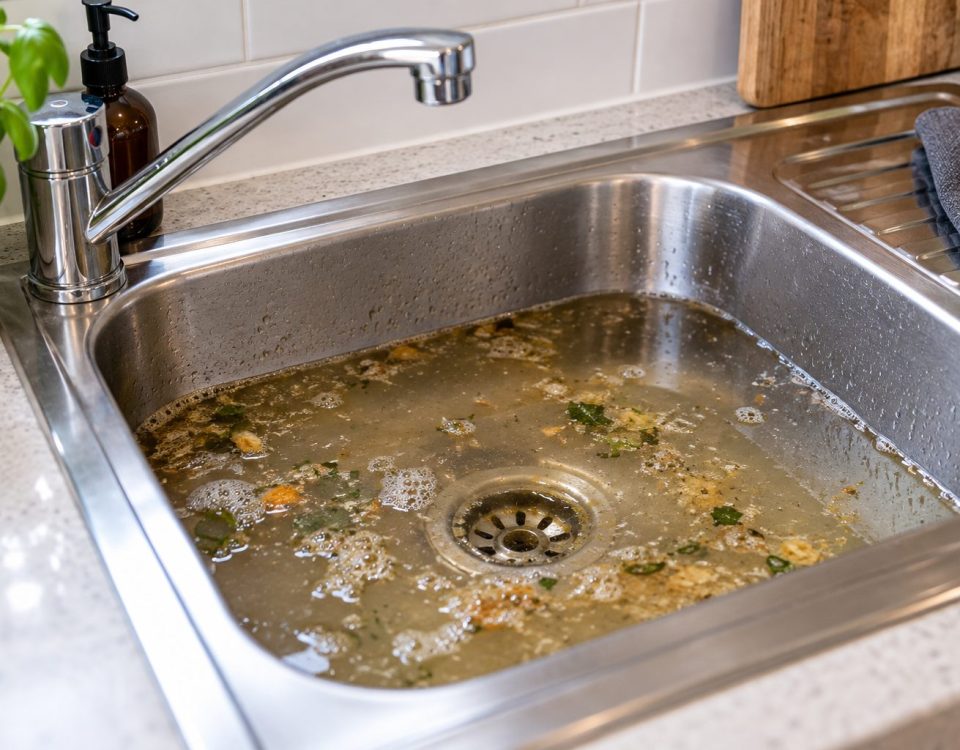
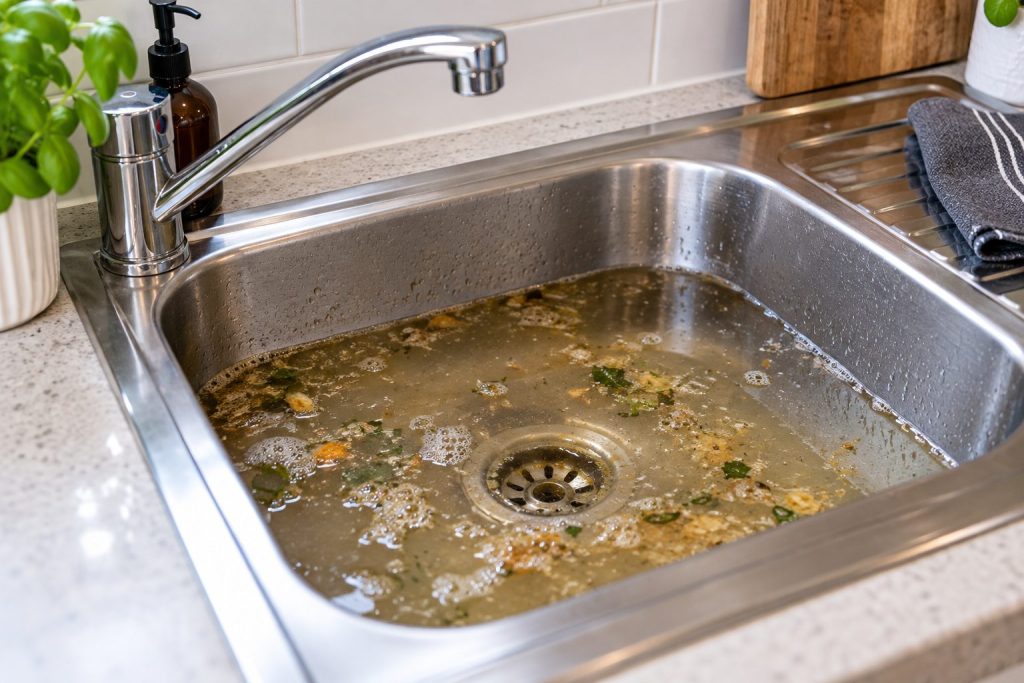
A kitchen sink usually gives warning signs before it stops draining altogether. Water may move slowly, the plughole may smell, or the drain may gurgle after washing up. Finding the likely cause helps you choose a sensible next step.
Why do kitchen sinks block?
Small amounts of cooking fat, oil and grease can cool and cling to the inside of pipework. Food scraps, coffee grounds and other debris may then catch on that build-up. A blockage can also form in the U-bend beneath the sink.
Signs the blockage is getting worse
- Water takes longer than usual to drain.
- There is an unpleasant smell around the plughole.
- The sink gurgles or water backs up.
- The drain clears briefly but soon slows again.
If several drains in your home back up at the same time, the problem may be further along the shared pipework.
What should you check first?
Remove any visible food or debris from the strainer and plughole, using gloves. Put it in the bin. If your sink has an accessible U-bend and you are comfortable removing it, place a bucket and towel beneath it before checking for trapped material. Refit it carefully and check for leaks.
If you are unsure, or the fittings are stiff or damaged, leave the pipework alone and ask a plumber.
Should you use a chemical drain cleaner?
Chemical products are not the only option for a blocked kitchen sink. Read the label before using any cleaner and never mix products. If chemicals are already in the drain, avoid any method that could splash them towards you.
For manual approaches and more safety tips, see our companion guide, How to Unblock a Drain Without Chemicals.
What if a plunger is not clearing it?
If you have removed visible debris and the sink still drains poorly, a manual drain pump may be another option. Magic Pump DRAIN uses downward water pressure rather than relying on a plunger vacuum. Its rubber foot is positioned over the drain before pumping. Watch the short DRAIN demo to see how it is used.
Do not use a pump over a drain containing chemical cleaner, and do not force a blocked or damaged fitting.
When is it time for a plumber?
Call a professional if wastewater is overflowing, more than one drain is affected, the blockage returns repeatedly, or a simple check and suitable manual method do not solve it. Persistent slow drainage may need inspection beyond the sink trap.
How can you reduce future blockages?
- Scrape plates into the bin before washing them.
- Collect used cooking fat in a container instead of pouring it down the sink.
- Empty the sink strainer regularly.
- Investigate slow drainage before the sink stops flowing.